
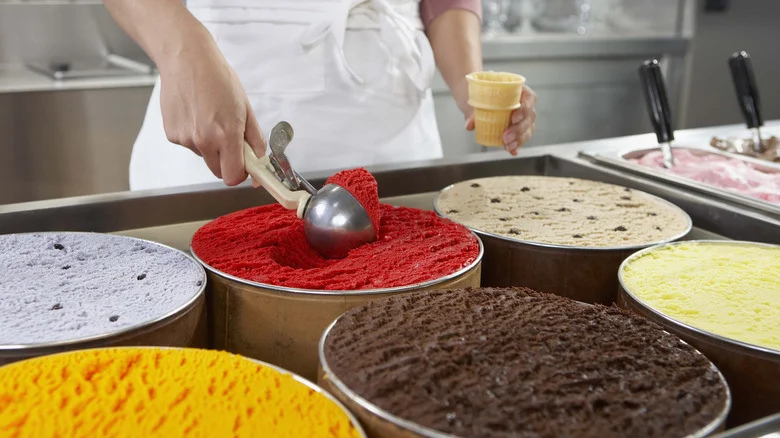
Ice cream has always been more than just a frozen treat. It symbolizes happiness, memories of the past, and the easy joys of summer days. So when news broke that bankruptcy forces ice cream chain to close 500 locations, shockwaves rippled through communities across the country. For customers, it means losing a familiar brand. For employees, it signals lost jobs and uncertain futures. And for the food industry, it highlights deeper issues threatening long-standing chains.
This discussion goes beyond ice cream; it examines how companies change, endure, or fail when facing today’s difficulties.
Why Bankruptcy Forces Ice Cream Chains to Close Stores?
Bankruptcy doesn’t always mean the end of a business. In many cases, companies file for Chapter 11 bankruptcy to restructure debts and streamline operations. However, when the financial strain grows too heavy, closures become inevitable.
- Chapter 11 allows companies to reorganize while keeping operations alive.
- Chapter 7 means liquidation selling off assets and shutting down completely.
In this case, the ice cream chain used bankruptcy as a last resort to cut losses. By closing 500 underperforming stores, the company hopes to stabilize finances and focus on profitable locations.
The Ice Cream Chain’s Struggles Before Bankruptcy
Every closure story starts long before the headlines. For this chain, several overlapping issues pushed it toward insolvency.
Declining Sales and Shifting Consumer Trends
Tastes are changing. More people today seek health-conscious alternatives like plant-based frozen desserts, keto-friendly ice creams, or dairy-free options. Traditional ice cream parlors have struggled to keep pace. Seasonal demand also plays a role sales plummet in colder months, creating inconsistent cash flow.
Rising Costs and Debt Burden
Operating costs surged in recent years. Rent in shopping malls and high-traffic locations ate into profits. Ingredient costs especially dairy, sugar, and packaging climbed sharply due to inflation and supply chain disruptions. On top of that, aggressive expansion saddled the company with heavy debt, leaving little room to maneuver.
Fierce Competition in the Dessert Industry
The dessert market grew crowded. Artisanal ice cream shops attracted younger, adventurous consumers with bold flavors and Instagram-worthy presentations.At the same time, major fast-food brands such as McDonald’s and Wendy’s introduced ice cream desserts at more affordable prices, making it tough for classic chains to compete.
How the Ice Cream Chain is Closing 500 Stores Due to Bankruptcy?
The decision to shutter 500 outlets wasn’t random. It reflected a strategic pruning of the weakest branches.
- Geographic factors: Rural and suburban areas, where foot traffic declined, faced the most closures.
- Profitability: Stores that consistently lost money were the first to go.
- Ownership structure: Franchisees with lower performance metrics bore the brunt, while corporate-owned stores in strong markets remained.
Here’s a quick look at the closures:
| Factor | Detail | Impact |
| Location type | Malls, small towns | Higher vacancy rates |
| Sales performance | Below $500k annually | Prioritized for closure |
| Ownership | 70% franchisee-owned | Greater franchise losses |
This kind of sweeping closure mirrors trends across the food sector, where large chains often retrench by focusing only on profitable markets.
Impact of 500 Ice Cream Shop Closures on Communities
When 500 stores vanish, the effects reach far beyond shareholders.
Job Losses and Employee Struggles
Tens of thousands of employees scoopers, managers, suppliers lost steady income. Many relied on these jobs as first employment or part-time work to support families. For them, the closures represent more than lost wages. They mark a sudden disruption in stability.
Communities Losing a Sweet Tradition
Local ice cream shops often serve as gathering spots. Families celebrate birthdays there. Teens meet after school. Grandparents treat grandchildren to sundaes. With closures, small towns especially feel the void.
Broader Economic Ripple
The bankruptcy doesn’t just affect workers and customers. Landlords face vacancies, while neighboring businesses lose foot traffic. Suppliers from dairy farmers to packaging plants also lose contracts, amplifying the ripple effect.
Lessons Other Food Chains Can Learn
The fall of one chain holds valuable lessons for others:
- Adapt to consumer preferences: introduce vegan, low-sugar, and innovative flavor options.
- Avoid overexpansion: growing too quickly without demand leads to unsustainable debt.
- Invest in digital platforms: mobile ordering, delivery, and loyalty apps can sustain sales.
- Build financial resilience: create buffers against supply chain volatility and inflation.
The brands that adapt fastest often outlast their competitors.
Case Studies of Dessert Chains Facing Bankruptcy
The ice cream industry has weathered similar storms before:
- Friendly’s filed for bankruptcy multiple times, citing declining sales and outdated concepts.
- Carvel faced financial troubles but reinvented itself through franchising and brand nostalgia.
- Cold Stone Creamery leaned on partnerships with grocery chains to stay relevant.
Key takeaway: Reinvention is possible, but it requires bold strategy, not just cost-cutting.
What’s Next for the Ice Cream Chain After Bankruptcy?
Though 500 stores are gone, the brand itself isn’t entirely finished. Several possible outcomes exist:
- Restructuring: Keep fewer stores but focus on high-demand urban markets.
- Acquisition: A larger food company may buy the chain and rebrand it.
- Product diversification: Expanding into supermarkets with packaged ice cream lines.
- E-commerce: Selling directly to consumers via online orders and delivery apps.
Survival hinges on innovation and the ability to win back customer trust.
Final Thoughts: When Bankruptcy Forces Ice Cream Chain</span> To Close 500 Locations?
The fact that the ice cream chain must shut down 500 stores due to bankruptcy highlights how delicate the food industry can be. Popular brands can fail if they do not change with the times. Behind every shuttered shop stands a mix of economic realities: rising costs, shifting tastes, and competitive pressure.
For consumers, it means fewer places to gather over a scoop. For communities, it’s a loss of tradition. But for other businesses, it’s a warning: adapt or risk becoming the next headline.