
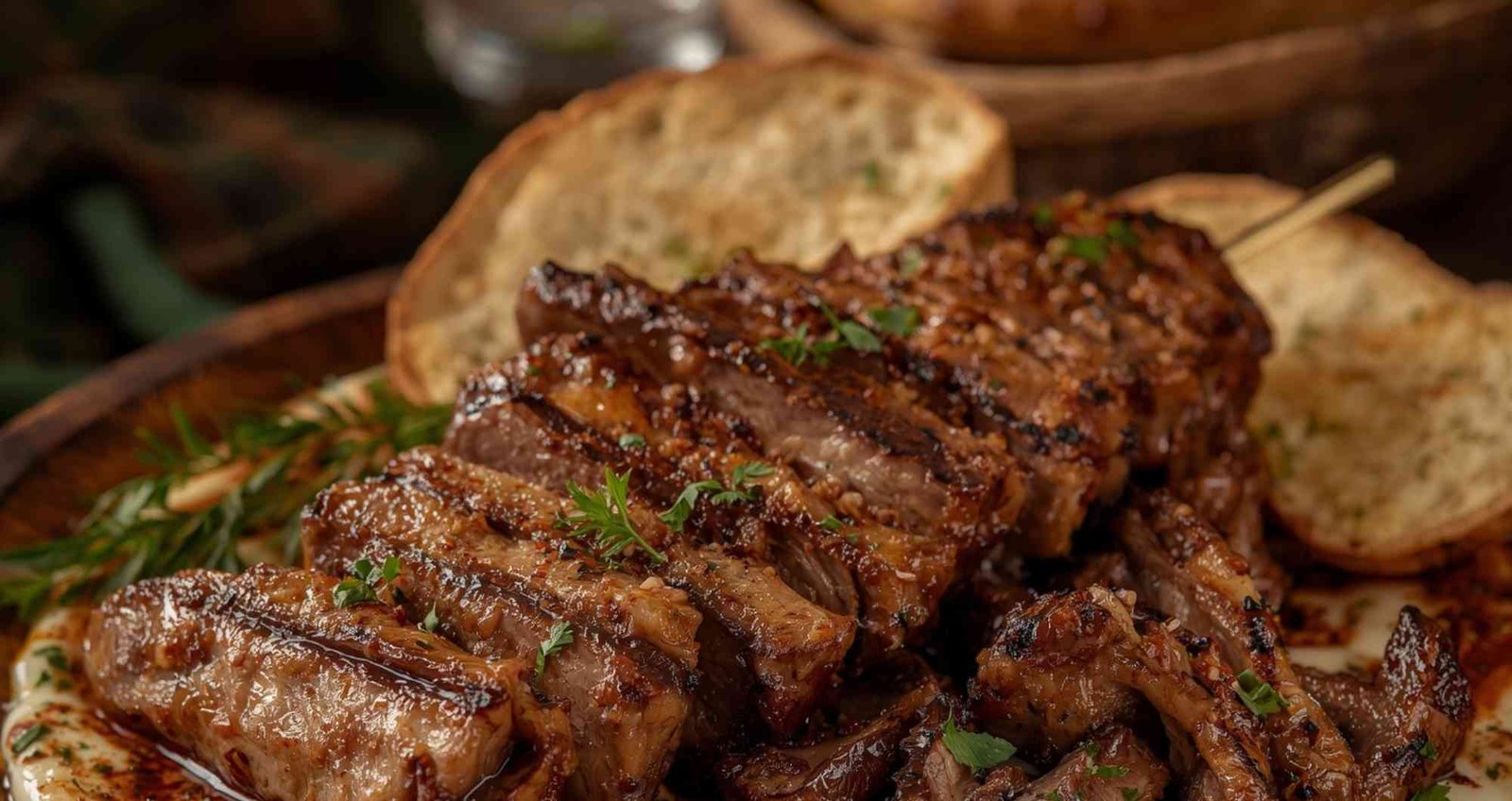
When people think of Turkish cuisine, they often imagine kebabs, baklava, and Turkish tea. But hidden in the villages of Anatolia is a dish that carries as much tradition as it does flavor ceıvır. Known for its smoky aroma, juicy tenderness, and communal spirit, it is far more than just roasted meat. It’s a living cultural ritual that connects generations.
In this guide, you’ll discover everything about ceıvır. what it is, how it’s made, its cultural significance, and even how you can try recreating it at home.
What Is Ceıvır?
Ceıvır is a traditional Turkish dish prepared by slowly roasting whole lamb or goat on a rotating spit over an open fire. The name is derived from the Turkish verb çevir, which translates to “turn.” This refers to how the spit constantly rotates while the meat is being roasted.
Unlike street food favorites like döner, it is not an everyday meal. It’s usually prepared for weddings, festivals, and village feasts. Because it requires time, space, and patience, it has become associated with special celebrations and community gatherings rather than quick dining.
“without friends is just roasted meat and with friends is a feast.” – Traditional Turkish saying
Why Ceıvır Matters in Turkish Cuisine?
The Role of Ceıvır in Culture
Turkish cuisine is closely linked to welcoming guests, cultural connections, and heritage. it’s embodies all three. Families and neighbors come together by the fire, sharing the responsibility of cooking the meat while stories are told, laughter rings out, and songs are sung. It’s not just cooking; it’s an event.
Benefits of Ceıvır
- Authenticity: It preserves centuries-old cooking methods.
- Flavor: The slow roasting ensures tenderness and smoky richness.
- Community: It turns a meal into a social ritual.
- Tradition: It connects modern Turks with their nomadic and pastoral past.
Ceıvır vs Other Turkish Meat Dishes
| Dish | Cooking Method | Occasion | Flavor Profile |
| Ceıvır | Rotisserie over open fire | Weddings, feasts | Smoky, juicy, tender |
| Döner | Vertical spit, shaved meat | Everyday street food | Crispy edges, spiced |
| Shish Kebab | Skewered over charcoal | Daily meals | Charred, seasoned |
| Testi Kebab | Clay pot, sealed & baked | Special dinners | Stewed, earthy, aromatic |
This comparison shows how it’s stands apart as a ceremonial dish tied more to culture and celebration than convenience.
How Ceıvır Is Prepared?
Step-by-Step Process
- Choosing the Meat
Generally, a young goat or lamb is chosen for this. Meat quality is crucial; animals raised on natural pastures are considered best. - Preparing the Fire
A hole is excavated, or logs are piled up to produce enduring coals. Hardwoods like oak or fruitwood are preferred for their aromatic smoke. - Mounting the Meat
The animal (often whole or in large cuts) is skewered onto a long spit. The spit is positioned to allow for easy rotation. - Slow Roasting
The meat is roasted for 4–6 hours over gentle heat. A person keeps turning the spit to make sure the cooking is done evenly. - Serving
Thin slices are carved directly from the spit, often served with flatbread, raw onions, and ayran (a salted yogurt drink).
Ceıvır at Home: Can You Recreate It?
Authentic ceıvır requires space, firewood, and a rotisserie. But you can still mimic the flavors at home with some adjustments.
Checklist for Home Cooking
- Rotisserie attachment or oven spit
- Lamb or goat meat (beef as an alternative)
- Salt, black pepper, thyme, oregano
- Patience slow cooking is key
Quick Home Version
- Marinate lamb cuts overnight with yogurt, garlic, salt, and herbs.
- Roast slowly in the oven at 140°C (285°F) for 3–4 hours.
- Use wood chips in a smoker or grill to infuse smoky flavor.
- Serve with bulgur pilaf, fresh salad, and Turkish bread.
Advanced Ceıvır Tips And Regional Variations
- Selecting the right type of wood is important: Oak brings richness, whereas fruitwoods such as apple provide a pleasant fragrance.
- A Local Variation: While roasting in Central Anatolia, it is coated with yogurt or pomegranate molasses.
- Pairings: Best enjoyed with bulgur pilaf, grilled vegetables, şalgam (fermented turnip drink), and seasonal salads.
Ceıvır in Real Life
At weddings in rural Anatolia, ceıvır plays the role of the centerpiece. A family might roast two or three lambs on spits while musicians play traditional folk songs. Everyone from children to grandparents participates turning the spit, preparing side dishes, and sharing stories.
This joint effort turns ceıvır from mere food into a common experience. Guests often say the highlight of such weddings isn’t the ceremony itself, but the taste and smell of freshly roasted ceıvır served outdoors.
( FAQs )
Q: Is ceıvır the same as döner?
No. Döner is cooked vertically and served as fast food. it is slow roasted and served at large gatherings.
Q: What meat is used for ceıvır?
Lamb or goat traditionally, though beef can be used in modern adaptations.
Q: Can I make ceıvır at home?
Yes, with a rotisserie or slow oven method, though authentic ceıvır flavor comes from open fire roasting.
Q: How long does ceıvır take to cook?
Typically between 4–6 hours depending on meat size and fire heat.
The Future of Ceıvır
Though modern life makes it harder to prepare ceıvır at home, Turkish restaurants, cultural festivals, and food tourism are keeping the tradition alive. Today, travelers eager for authentic culinary experiences often seek out ceıvır as part of their Turkish food journey.
As the global interest in slow food movements increases, it is set to attract even greater international focus as an emblem of traditional cooking and shared meals.
Conclusion:
Ceıvır isn’t just a meal; it’s a ritual of togetherness. From the smell of wood smoke to the laughter around the fire, every aspect of ceıvır reflects the warmth of Turkish culture. If you ever get the chance to experience in its authentic setting, take it it’s a memory you won’t forget.