
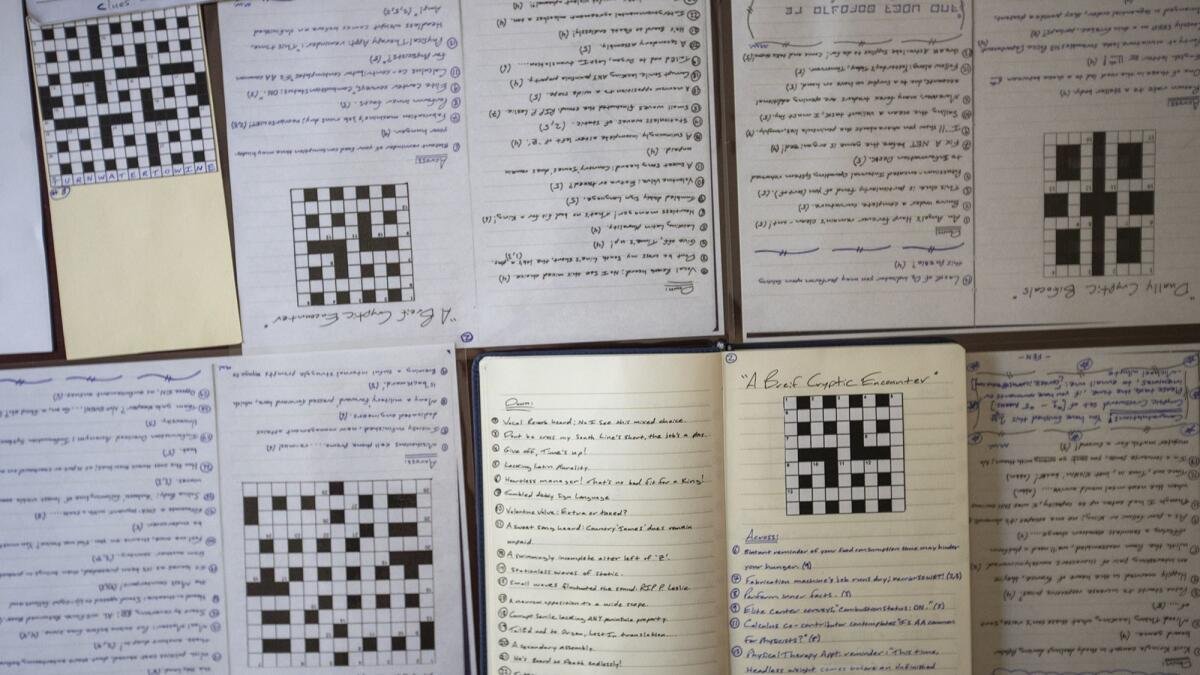
Every morning, millions of people board trains, buses, and subways with one goal get to work. But tucked between the rush-hour noise and scrolling through endless notifications lies an opportunity to turn your commute into something meaningful. That opportunity is the commuter crossword, a compact yet powerful puzzle designed to sharpen your mind, relieve stress, and bring a spark of satisfaction to your daily journey.
Whether you’re a lifelong puzzle enthusiast or someone who just wants to make better use of travel time, this guide dives deep into everything you need to know about commuter crosswords their history, benefits, where to find them, and how to get better at solving them.
What Is a Commuter Crossword?
A commuter crossword is a shorter version of the traditional crossword puzzle. It’s designed for quick solving, typically taking between ten to fifteen minutes just enough to fill the average commute. You’ll find these puzzles in newspapers, mobile apps, and online platforms, and they’ve become a beloved daily ritual for people around the world.
Unlike the large, intricate grids of weekend crosswords, commuter crosswords are usually smaller think 11×11 or 13×13 grids. The clues are concise, clever, and fast-paced. Each puzzle offers that satisfying “aha” moment without requiring hours of focus.
What makes commuter crosswords truly special is their balance. They’re challenging enough to keep your brain engaged but short enough to finish before your stop. For many, solving one has become as habitual as sipping a morning coffee.
The concept dates back to the mid-20th century when newspapers realized commuters wanted quick, mentally stimulating content. Publications like The Times, The Guardian, and The Telegraph led the way, publishing “quick crosswords” for morning readers. Over time, as technology evolved, these puzzles found new life in mobile apps and websites, ensuring that whether you’re holding a paper or a phone, your daily crossword fix is only a tap away.
The Rise of the Commuter Crossword in Modern Life
Before smartphones dominated commutes, the newspaper crossword was a staple of morning travel. You’d see rows of passengers with folded broadsheets, scribbling in answers before the next stop. It wasn’t just a game it was a ritual.
As newspapers transitioned online, crosswords followed. Today, you can find commuter crosswords on your phone through apps like The New York Times Crossword, Puzzle Page, or Crossword Solver. These platforms transformed a once solitary pastime into a digital, interactive experience. Some apps track your solving streaks, let you compete with friends, and even provide hints for tricky clues.
So why have commuter crosswords endured in a world overflowing with fast entertainment? The answer lies in balance. They’re quick but meaningful, engaging but calming. Instead of mindlessly scrolling through social media, you can challenge your brain, experience progress, and enjoy the satisfaction of solving a puzzle all within a fifteen-minute ride.
This daily ritual also offers something rare in today’s world: focus. A good crossword demands attention. It pulls your mind away from distractions, grounding you in the moment. In many ways, the commuter crossword isn’t just a pastime—it’s mindfulness disguised as wordplay.
The Benefits of Solving a Commuter Crossword Every Day
A Mental Tune-Up for Your Brain
Crosswords are like a morning workout for your mind. They flex the muscles of logic, memory, and pattern recognition. When you solve a clue, you’re engaging both hemispheres of your brain the logical left for word structure and the creative right for wordplay. Studies from the University of Exeter and King’s College London have shown that adults who regularly solve puzzles perform better in memory and reasoning tests. In fact, they often display brain function equivalent to someone ten years younger.
Daily commuter crosswords are short, but their impact compounds over time. Regular solvers notice improved focus, better problem-solving skills, and sharper vocabulary. Just as physical exercise keeps your body fit, word puzzles keep your neural pathways strong and flexible.
Emotional and Psychological Benefits
A commuter crossword can do wonders for your emotional well-being. During crowded commutes or stressful mornings, focusing on clues offers a sense of calm and control. The puzzle becomes a brief sanctuary your mind’s way of taking a breath amid the chaos.
Many solvers describe it as meditative. Instead of worrying about delays or emails, you’re immersed in clues and connections. This small act of concentration helps lower stress and anxiety levels.
Take Sarah, a financial analyst in London, who began solving The Times Commuter Crossword every morning. After a few weeks, she noticed something remarkable. “I stopped checking my phone on the train,” she said. “I used to scroll through emails and arrive at work already stressed. Now I do the crossword, and I walk in feeling sharper and calmer.”
That’s the beauty of this simple ritual it turns wasted minutes into restorative moments.
Professional and Lifestyle Benefits
Commuter crosswords don’t just improve brainpower; they enhance your daily performance. Solvers often report feeling more alert and mentally organized after completing one. It’s an ideal pre-work exercise for people in analytical or creative professions lawyers, writers, engineers, teachers, and anyone who needs sharp thinking.
Solving puzzles strengthens focus, attention to detail, and perseverance. It teaches you to think laterally, a skill that translates into better problem-solving at work. Over time, this habit can make you more disciplined and confident in tackling complex challenges.
Where to Find the Best Commuter Crosswords?
If you’re wondering where to start, you’re spoiled for choice. Traditional print publications like The Times, The Guardian, and The Telegraph still publish daily commuter crosswords, many of which are also available online.
For digital solvers, apps are the easiest way to begin. The New York Times Mini Crossword offers short puzzles that can be finished in under five minutes, making it perfect for short rides. Crossword Solver and Puzzle Page provide varied levels, hints, and daily updates. Most apps are free, though subscriptions unlock extra features like archives and difficulty tracking.
When choosing a source, consider your solving style. If you enjoy wordplay and clever misdirection, The Times or Guardian puzzles might suit you. If you prefer lighter, thematic puzzles, apps like Puzzle Page or Daily Themed Crossword are ideal.
Whether you’re using a newspaper, app, or website, consistency matters more than platform. Try solving at the same time every day on the bus, during lunch, or before bed. The regularity turns the crossword into a ritual rather than a random hobby.
Expert Tips for Mastering the Commuter Crossword
- Start with easy puzzles. Don’t jump straight into cryptic crosswords. Begin with quick puzzles until you’re comfortable with clue formats.
- Learn common clue types. Many commuter crosswords rely on patterns like anagrams, abbreviations, and hidden words. Recognizing these can save time.
- Use crossing letters wisely. Even if one answer stumps you, the letters from other words often reveal the solution.
- Time yourself. Turn it into a personal challenge can you finish before your next stop?
- Avoid overusing hints. Hints can help you learn, but relying on them removes the reward of discovery.
- Build consistency. Solving daily improves both speed and accuracy.
As Will Shortz, editor of The New York Times Crossword, famously said, “Crosswords reward persistence more than genius.” It’s not about knowing every answer it’s about the joy of figuring it out.
Common Mistakes Solvers Make (and How to Avoid Them)
Even seasoned solvers make errors, especially under time pressure. The most common mistake is overthinking clues. Many crossword clues are simple but disguised through clever wording. If your answer feels too complicated, you might be missing an easier interpretation.
Another mistake is ignoring wordplay indicators. Phrases like “perhaps,” “around,” or “reversed” often hint at anagram or hidden-word clues. Learning to spot these patterns can dramatically speed up your solving.
A third pitfall is sticking to one source. Each publication has its own style, vocabulary, and clue preferences. Solving from multiple sources expands your experience and keeps you adaptable.
Lastly, remember to take breaks. Crossword fatigue is real. Some solvers push too hard, which turns a relaxing habit into frustration. Step away, come back later, and often the answer will suddenly click into place.
Fun Variations of the Commuter Crossword
To keep things fresh, many platforms now offer creative variations. The mini crossword is perfect for quick commutes five-by-five grids that take just three minutes to solve. The thematic crossword focuses on topics like movies, travel, or sports, adding an extra layer of fun. For advanced solvers, the cryptic commuter crossword challenges even the most experienced minds with clever riddles and wordplay.
Digital platforms also host interactive crosswords, where players compete in timed challenges or rank on leaderboards. This social element turns solitary solving into a friendly competition, adding motivation to stay consistent.
These variations ensure that solving never feels repetitive. No matter how short or long your commute, there’s always a puzzle suited to your schedule.
The Future of the Commuter Crossword
As technology continues to evolve, so does the humble crossword. Artificial intelligence is already being used to generate custom puzzles that match your skill level or interests. Imagine a crossword designed around your favorite TV show or profession that’s the next frontier.
Wearable devices are joining in too. Smartwatch apps now allow you to solve one clue at a time with a tap, ideal for crowded trains. Voice-assisted crosswords through Alexa or Siri make it possible to play hands-free, turning your morning routine into a mental workout.
Beyond entertainment, commuter crosswords are finding a place in digital wellness. They’re being integrated into mindfulness apps to promote focus and stress relief. Instead of meditation timers, some users prefer a five-minute crossword as their daily mental reset.
The future looks promising technology will only make these puzzles more accessible, interactive, and personalized.
Final Thoughts
The commuter crossword is more than a puzzle it’s a pocket-sized escape from the noise of modern life. It sharpens your mind, soothes your nerves, and gives you a quiet sense of accomplishment before your day begins.
In a world where most people scroll through endless feeds during their commute, choosing a crossword sets you apart. It turns ordinary moments into opportunities for growth. You’re not just passing time you’re training your brain, word by word, clue by clue.
So tomorrow morning, instead of reaching for your phone to check notifications, open a crossword app or unfold a newspaper. Challenge yourself, enjoy the process, and make the commuter crossword your daily mental ritual.
Because once you start solving, you’ll realize it’s not just a puzzle. It’s a way to start your day with purpose, clarity, and a smile.