
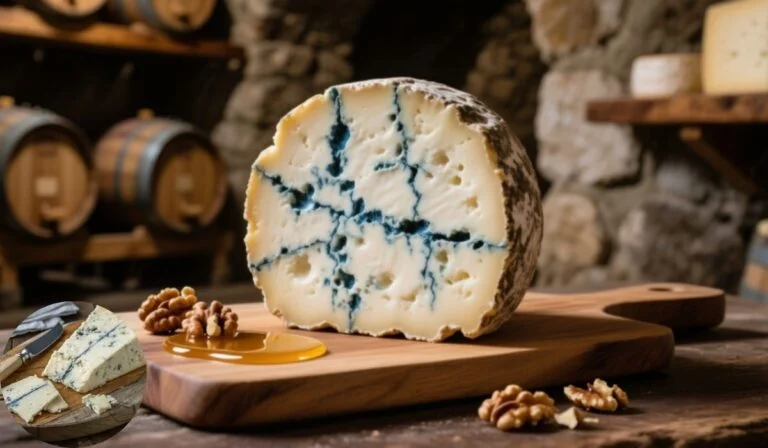
Cheese has a way of telling stories through flavor, and Masgonzola is no exception. This specialty cheese combines the delicate creaminess of mascarpone with the bold character of gorgonzola, resulting in a taste that feels indulgent yet balanced. It’s the kind of cheese that works just as well in a refined pasta dish as it does on a rustic slice of bread with honey.
If you’ve ever wondered what sets this cheese apart or how to use it in your kitchen, here’s everything you need to know.
What is Masgonzola?
At its core, Masgonzola is a hybrid cheese. Think of it as the meeting point between mascarpone’s smooth sweetness and gorgonzola’s earthy tang. The result is a product that’s creamy, spreadable, and flavorful without being overwhelming.
-
Texture: Soft and velvety, easy to spread.
-
Flavor: Sweet and buttery with a gentle blue-cheese bite.
-
Category: A blue-veined cheese but milder than traditional varieties.
This unique balance makes it an excellent choice for people who find classic blue cheese too intense.
The Origins of Masgonzola
The story of this cheese traces back to northern Italy, a region already famous for producing both mascarpone and gorgonzola. Cheesemakers wanted to create something versatile—creamy enough for desserts yet bold enough for savory dishes. Over time, this blend became known as Masgonzola, a name that reflects its dual heritage.
How Masgonzola is Mad
Producing this cheese involves combining traditional blue-cheese methods with the richness of mascarpone.
General process:
-
Fresh cow’s milk is curdled with rennet.
-
Extra cream is added for a silky texture.
-
Blue mold cultures are introduced to form subtle veins.
-
The cheese is aged in cool, humid conditions until flavors develop.
The mascarpone influence keeps the texture moist and spreadable, unlike many crumbly blue cheeses.
Varieties and Styles
Different producers craft slightly different versions. Some focus on creamy, mild flavors perfect for spreading, while others lean toward sharper, tangier notes more suitable for cooking. Regional dairies in Italy often add their own twist, making each version distinct.
How It Compares to Other Cheeses
| Cheese | Texture | Flavor Notes | Best For |
|---|---|---|---|
| Masgonzola | Creamy, smooth | Sweet with gentle tang | Pasta sauces, spreads, pizza |
| Gorgonzola | Creamy/crumbly | Bold, sharp, salty | Risotto, meat dishes |
| Mascarpone | Soft, buttery | Sweet, delicate, mild | Desserts like tiramisu |
| Blue Cheese | Crumbly/varied | Pungent, earthy, salty | Salads, sauces, bold pairings |
This table highlights why Masgonzola is often called a “bridge cheese.” It offers the richness of mascarpone while giving just enough of that blue-cheese tang.
Culinary Uses
This cheese is a chef’s dream because it adapts to both sweet and savory recipes.
-
In pasta: Melted into creamy sauces for fettuccine or penne.
-
On pizza: Works well with pears, walnuts, or caramelized onions.
-
In risotto: Adds depth and silkiness.
-
As a spread: Mixed with herbs for crackers or bread.
-
In desserts: Used in cheesecakes for a twist on the traditional recipe.
Perfect Pairings
Pairing it correctly brings out its best qualities.
-
Wines: Try a crisp Riesling, a bold Barolo, or a sparkling Prosecco.
-
Beers: Wheat beers highlight the mild versions, while strong ales balance the sharper ones.
-
Fruits & Nuts: Figs, pears, walnuts, and chestnut honey create a memorable flavor combination.
For charcuterie boards, this cheese pairs beautifully with cured meats and rustic bread.
Nutritional Value
Like most cheeses, it’s rich but offers benefits when enjoyed in moderation.
-
Protein: Supports muscle repair and energy.
-
Calcium: Essential for healthy bones.
-
Vitamins: Contains Vitamin A and B12.
-
Probiotics: The blue cultures can aid digestion.
Of course, it’s also high in fat and sodium, so balance is key.
Storage Tips
To keep its flavor intact:
-
Store at 2–6°C (35–43°F).
-
Wrap in parchment or wax paper, then place in a sealed container.
-
Avoid plastic wrap directly on the cheese.
-
Best enjoyed within 7–10 days after opening.
If it smells strongly of ammonia or feels slimy, it’s time to discard it.
Where to Buy
While it may not be as common as gorgonzola, you can find it at:
-
Specialty cheese shops
-
Online gourmet markets such as Eataly or Formaggio Kitchen
-
Select high-end supermarkets
Look for PDO-certified products to ensure authenticity.
Recipe Ideas
-
Creamy Pasta Sauce – Combine with cream and garlic for a velvety finish.
-
Pizza Topping – Use alongside pears and caramelized onions.
-
Pear & Walnut Salad – Toss with arugula for a fresh starter.
-
Stuffed Chicken Breast – Fill chicken with the cheese and spinach.
-
Cheesecake – A surprising twist for adventurous dessert lovers.
Frequently Asked Questions
-
Is this cheese the same as gorgonzola?
No, it’s a fusion with mascarpone, giving it a creamier texture. -
Can it be used in cooking?
Yes, it melts beautifully into sauces and bakes well. -
Which wine works best?
A Riesling or Barolo complements it perfectly. -
Is it vegetarian-friendly?
Traditional versions use animal rennet, though some modern producers offer vegetarian options.
Conclusion
Masgonzola may not be the most famous Italian cheese, but its unique balance of creaminess and tang makes it unforgettable. Whether you spread it on fresh bread, melt it into risotto, or experiment with desserts, it’s a cheese that surprises in the best way.
If you’re looking to expand your cheese collection beyond the usual options, this one deserves a spot in your kitchen. Pair it wisely, savor it slowly, and you’ll see why food lovers worldwide are beginning to appreciate its charm.