
Introduction
Why the Optum New Jersey Layoffs Matter?
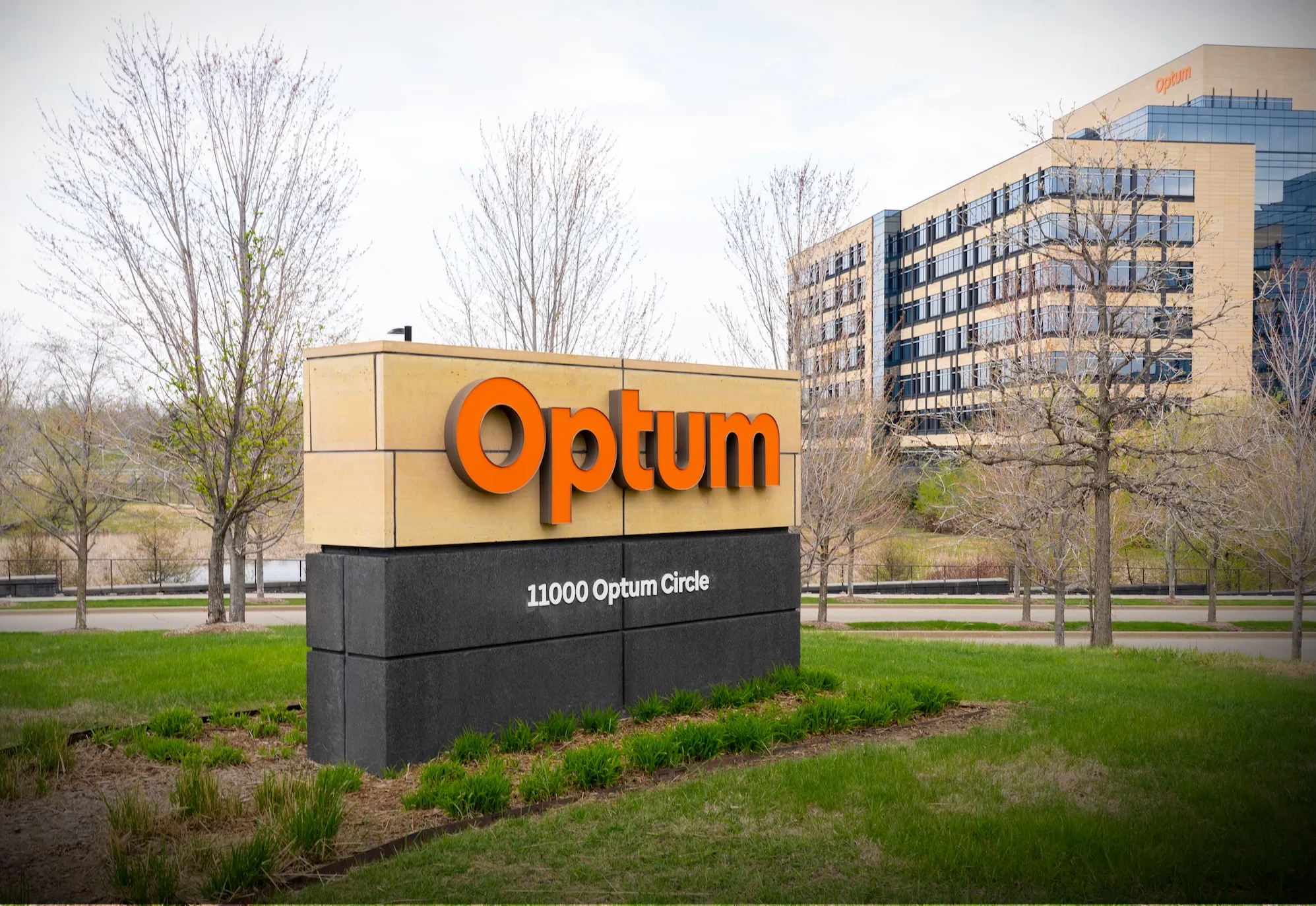
You might be wondering: what’s going on with the Optum New Jersey layoffs? Lately, the news has been buzzing about Optum part of UnitedHealth Group letting go of staff across the Garden State. Whether you’re an affected employee, a healthcare provider, or just watching the headlines, this shift carries ripples far beyond office walls. This post breaks down what happened, who’s impacted, and what it all means for New Jersey’s healthcare scene.
Background on Optum and Its Role in New Jersey
Optum plays a big role in New Jersey’s health ecosystem. It supports everything from insurance and pharmacy services to data analytics and medical management. The company employs thousands in areas like:
- Claims processing
- IT and data analytics
- Clinical support programs
- Pharmacy operations
With a substantial local workforce, Optum’s layoffs leave a noticeable gap. The “Optum New Jersey layoffs” don’t just reduce headcount they affect communities, local economies, and patient services alike.
Details of the Optum New Jersey Layoffs
When and Why the Layoffs Happened?
There’s no single date Optum rolled out reductions in phases, starting mid-2025. They cited restructuring and cost optimization as the main reasons. The push toward automation and digital platforms also played a role in shrinking operational needs.
How Many Employees Were Impacted
Exact numbers remain private, but estimates point to several hundred to a few thousand employees impacted across New Jersey. Key areas affected include:
| Department | Estimated Impact |
| IT / Data Analytics | Moderate reductions |
| Claims & Admin Support | Higher cuts |
| Clinical & Pharmacy Ops | Selective, strategic cuts |
Frontline and back-office teams both felt the pinch, though admin and support roles appear most affected.
Local and Employee Reactions
One former employee shared:
“I was blindsided. One day, everything went quiet. Next day, they said my role no longer existed.”
Union reps echoed concerns about how patient care might suffer. Meanwhile, community leaders urged Optum to maintain staffing levels crucial for local healthcare delivery.
The Bigger Picture: Optum Layoffs Beyond New Jersey
New Jersey didn’t face this alone. Optum has trimmed staff in multiple states this year, aligning with industry-wide trends.
- Nationwide, healthcare firms are leaning into automation, telehealth, and AI.
- Competitors like CVS Health and Cigna have also cut staff in similar rounds.
- Healthcare consolidation big players absorbing smaller ones continues reshaping job landscapes.
Symptom or trend? Likely both. It paints a picture of healthcare fast-forwarding into a more automated, digital tomorrow.
Impact on Healthcare in New Jersey
Effects on Patients and Providers
Staff reductions threaten timely service delivery. Patients may face:
- Longer wait times
- Reduced administrative help
- Overworked staff balancing higher workloads
Economic and Community Consequences
- Job losses hit families and local businesses.
- Smaller clinics that relied on Optum contracts may struggle.
- Ripples could drive up healthcare costs and limit access in affected areas.
Employee Options After the Layoffs
What support exists for those impacted?
- Optum severance packages
Vary per role. Some workers received extended healthcare benefits for a period. - New Jersey government support
Programs like NJ Unemployment Insurance and job training initiatives offer relief and retraining. - Career transition paths
Fields like digital health tech, IT, and telemedicine remain in demand. - Reskilling programs
Institutions like NJ’s One-Stop Career Centers help laid-off workers pivot to new careers.
What These Layoffs Reveal About the Future of Healthcare Jobs?
You’re seeing more trends emerging:
- Automation & AI are central: systems now process claims with less human handholding.
- Digital healthcare tools telehealth, chatbots reduce in-person staffing needs.
- Industry consolidation means fewer but bigger employers, and leaner operations.
In short, the Optum job cuts in New Jersey reflect a shift toward a smarter but leaner healthcare future.
Case Studies and Comparisons
Looking at other big players brings more clarity:
| Company | Layoff Scope | What It Means |
| CVS Health | Mid-2025 tech & admin staffing cuts | A mirror to Optum’s path forward |
| Cigna | Insurer restructuring nationwide | Industry-wide recalibration |
| Kaiser | Regional staffing rebalancing | Localized shifts with local effects |
New Jersey’s Optum layoffs echo national restructuring. They remind us: healthcare jobs are evolving fast.
Public and Political Response to Optum New Jersey Layoffs
Lawmakers voiced concern. Some called for hearings to examine the impact on in-state patient care. Labor groups demanded greater transparency from Optum. Several advocacy groups highlighted risk of overburdening remaining staff and eroding service quality.
Conclusion: What Comes Next for Optum and New Jersey’s Healthcare Workforce
The Optum New Jersey layoffs signal something bigger than belt-tightening: they’re a signpost pointing toward automation, digital-first care, and structural shifts in healthcare employment. As the dust settles, patients, providers, and communities brace for changes.
You deserve a system that adapts without sacrificing care. For employees, retraining and resilience offer hope. For healthcare at large, finding that balance between efficiency and humanity is the challenge ahead.
FAQs About Optum New Jersey Layoffs
- Why is Optum laying off employees in New Jersey?
To restructure operations, manage costs, and adopt automation and digital tools. - How many workers were affected?
Estimates range from several hundred to a few thousand—exact numbers haven’t been disclosed. - Will patient care in New Jersey suffer?
Risk exists: fewer staff can mean longer waits and overstretched remaining teams. - What support is available for laid-off workers?
Options include severance, NJ government benefits, job training, and reskilling programs. - Are more Optum layoffs expected?
The industry leans toward automation, so further restructuring remains possible.