
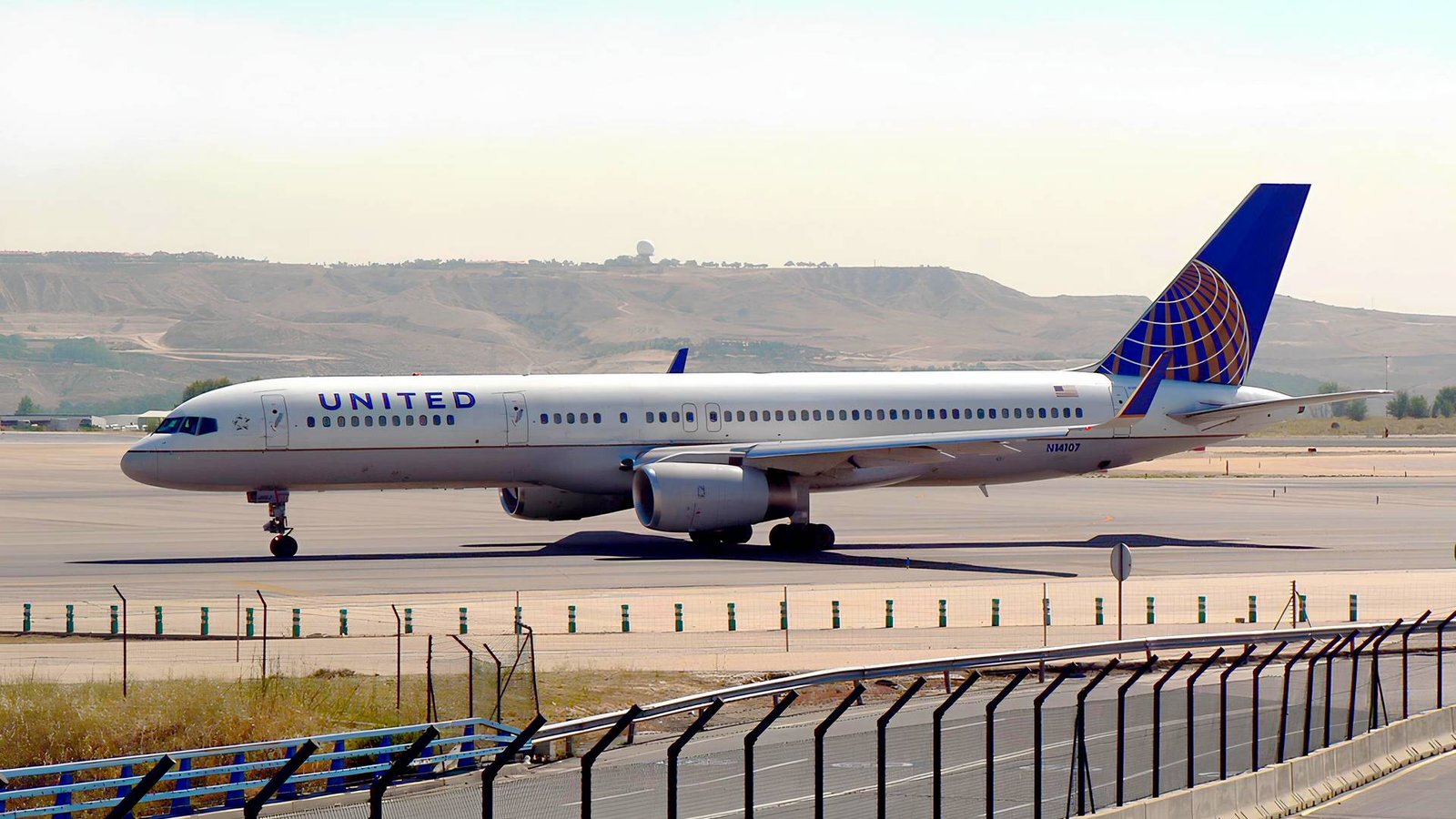
Air travel is one of the safest modes of transportation, but when something unexpected happens in the air, it captures everyone’s attention. That’s exactly what occurred during the United Airlines Flight UA770 emergency diversion, when a routine journey suddenly turned into an unplanned landing. For passengers, the experience was tense, yet it highlighted the importance of aviation safety protocols and quick decision-making by pilots and crew.
This article breaks down everything you need to know about the incident from the flight’s details to passenger reactions, airline responses, and what diversions mean for travelers in general.
Overview of United Airlines Flight UA770
Basic Flight Details
United Airlines Flight UA770 is a scheduled service that typically connects two major U.S. cities. On the day of the incident, the aircraft departed on time, with passengers expecting a routine journey to their destination. The flight was operated by a Boeing 737, a widely used aircraft known for its efficiency and reliability.
- Flight number: UA770
- Aircraft type: Boeing 737 (narrow-body jet)
- Planned route: Originating from the West Coast and bound for the Midwest
- Passengers on board: Over 150
- Crew members: 6 (2 pilots, 4 cabin crew)
Passenger & Crew Information
The flight was nearly full, carrying business travelers, families, and vacationers. For the flight crew, their primary responsibility was ensuring passenger safety while following airline and FAA regulations.
The Emergency Diversion Incident Explained
Timeline of Events
Midway through the flight, something unexpected occurred that required immediate attention. Reports indicate that the issue developed during cruise altitude, prompting the captain to make an in-flight announcement about an emergency diversion.
Within minutes, the crew prepared the cabin, secured passengers, and coordinated with air traffic control to reroute the flight to the nearest suitable airport.
Reasons Behind the Diversion
Early speculation pointed to two possible causes:
- Technical problem with onboard systems.
- Medical emergency involving a passenger.
United Airlines later confirmed the emergency diversion was precautionary, ensuring safety remained the top priority.
Airports Involved
- Original Destination: Chicago O’Hare International Airport (ORD).
- Diversion Airport: Denver International Airport (DEN).
Denver was chosen because of its long runways, advanced emergency response teams, and proximity to the aircraft’s flight path.
Passenger Experience During the Diversion
Reactions and Emotions
Passengers described mixed emotions ranging from concern to calm acceptance. One traveler shared on Twitter:
“We felt the plane banking unexpectedly, and the captain calmly explained we were diverting for safety. Everyone stayed surprisingly calm.”
How the Cabin Crew Handled the Situation?
The professionalism of the flight attendants played a crucial role. They reassured travelers, explained safety procedures, and provided updates regularly.Keeping the cabin calm helped the diversion go off without a hitch.
Support After Landing
Once on the ground, United Airlines offered assistance:
- Rebooking on later flights.
- Meal vouchers for delayed passengers.
- Hotel accommodations for those stranded overnight.
This level of care is standard practice in such situations, but it also plays a key role in maintaining passenger trust.
Safety Protocols and Airline Response
Pilot Decision-Making Process
Pilots are trained to prioritize safety over schedule. In diversions, they consider:
- Distance to alternate airports.
- Weather conditions.
- Runway length and emergency facilities.
- Passenger health and onboard safety.
United Airlines’ Official Statement
Following the incident, United Airlines issued a brief statement:
Due to a problem on board, Flight UA770 was redirected to Denver as a safety measure. The plane landed without incident, and the passengers were given new travel arrangements. Safety is always our top priority.”
FAA and Aviation Authority Involvement
The Federal Aviation Administration (FAA) typically reviews such events. While not all diversions require formal investigations, airlines are required to log and report every incident.
Past Cases of United Airlines Emergency Diversions
Flight UA770 isn’t the first time United has faced such challenges. Airlines around the world encounter similar situations.
Here’s a quick look at past examples:
| Flight | Year | Reason for Diversion | Outcome |
| UA328 | 2021 | Engine failure over Denver | Safe emergency landing |
| UA1888 | 2019 | Passenger medical emergency | Diverted to Oklahoma City |
| UA55 | 2017 | Cabin pressurization issue | Diverted to Shannon, Ireland |
These cases reinforce that emergency diversions are rare but not unusual in aviation.
What Passengers Should Know About Emergency Diversions?
Why Diversions Happen?
The most common reasons for diversions include:
- Medical emergencies (most frequent).
- Mechanical or technical issues.
- Bad weather conditions.
- Unruly passengers.
How to Stay Calm During an Emergency Diversion?
- Listen to crew instructions carefully.
- Keep your seatbelt fastened.
- Stay patient diversions are for your safety.
- Limit unnecessary movement around the cabin.
Your Rights as a Passenger
Under U.S. Department of Transportation rules:
- Airlines must provide safe re-accommodation.
- Refunds may apply in certain cases.
- Compensation depends on the length of delay and the reason behind the diversion.
United Airlines often provides meal vouchers, hotel stays, and rebooking options depending on passenger impact.
Impact of United Airlines Flight UA770 Diversion on Public Perception
Media outlets and aviation enthusiasts closely followed the UA770 incident. While diversions can raise concerns, they also reassure travelers that airlines put safety before schedules.
For United Airlines, the response to Flight UA770 strengthened its reputation as a safety-conscious airline. The crew received compliments from passengers for their composed management of the situation.
FAQs About United Airlines Flight UA770 Emergency Diversion
Q: Was anyone injured during Flight UA770’s emergency diversion?
A: No. Reports confirm that all passengers and crew landed safely without injuries.
Q: What causes most flight diversions in the U.S.?
A: Medical issues are the number one cause, followed by weather and technical malfunctions.
Q: How often does United Airlines face emergency diversions?
A: Diversions are rare. Across all U.S. airlines, less than 1 in 1,000 flights is diverted.
Q: Do passengers get compensation after a diversion?
A: Compensation depends on the cause. United typically offers rebooking, meal vouchers, and hotel stays when delays extend overnight.
Conclusion:
The United Airlines Flight UA770 emergency diversion serves as a reminder that unexpected events can occur, even in modern air travel. Thankfully, the swift decision-making by the pilots and the professionalism of the cabin crew ensured everyone’s safety.
Diversions may inconvenience passengers, but they also demonstrate the effectiveness of aviation safety protocols. In the end, the UA770 story isn’t just about disruption it’s about the successful management of risk in the skies.