
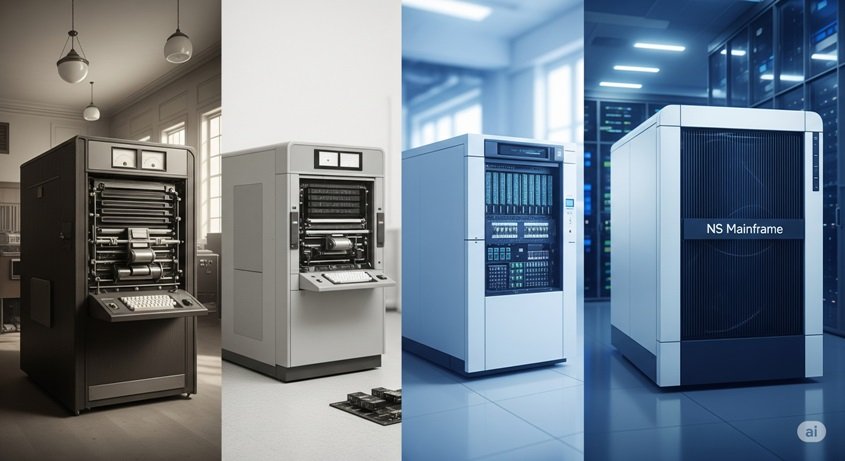
Mainframes may sound like a relic from the past, yet they remain the unsung heroes of enterprise computing. The NS mainframe continues to play a vital role in powering critical business systems, especially where performance, reliability, and security cannot be compromised. From banking to government operations, the backbone of modern data processing often runs on these massive systems.
This guide explores everything you need to know about the NS mainframe, its architecture, features, advantages, challenges, and its place in the future of enterprise technology.
What is NS Mainframe?
The NS mainframe is a large-scale, high-performance computing system designed to handle vast volumes of data and thousands of simultaneous transactions. Unlike standard servers, a mainframe isn’t just about raw speed it’s about processing power combined with resilience.
Historically, mainframes emerged in the mid-20th century when enterprises required centralized computing resources. While many thought they’d disappear with the rise of personal computers and cloud computing, the opposite happened. Mainframes evolved, becoming smarter, more secure, and deeply integrated with digital ecosystems.
In short, NS mainframes are not outdated machines they are specialized systems that deliver unmatched stability and scalability in mission-critical operations.
Why NS Mainframe Still Matters Today
Even in the age of cloud and distributed computing, businesses rely on mainframes for several reasons:
- Reliability: Downtime is unacceptable for banks or airlines. Mainframes offer up to 99.999% uptime.
- Security: Mainframes are built with layered security and compliance features.
- Scalability: They can process millions of transactions per second.
- Longevity: Systems designed decades ago are still running today, updated for modern workloads.
Case Example:
Banks still depend on NS mainframe systems to manage ATM withdrawals, online transfers, and credit card processing. Imagine the chaos if these systems failed even for an hour.
Key Features of NS Mainframe Systems
The power of the NS mainframe lies in its features. Let’s break them down.
Processing Power and Performance
Mainframes can process trillions of instructions per second (TIPS), making them unmatched for transaction-heavy workloads.
High Availability and Reliability
Through built-in redundancy, mainframes maintain operations even if hardware components fail.
Security and Compliance Capabilities
Features like multi-factor authentication, encrypted storage, and secure transaction logging keep sensitive data safe.
Data Handling and Transaction Processing
Perfect for environments where real-time analytics and batch processing must run side by side.
Integration with Modern Applications
APIs and middleware solutions allow NS mainframes to integrate with cloud platforms, mobile apps, and web services.
NS Mainframe Architecture Explained
The architecture of the N-S mainframe is engineered for efficiency.
- Central Processing Units (CPUs): Handle parallel processing for massive workloads.
- Memory Management: Uses advanced caching and partitioning for speed.
- Input/Output Subsystems: Manage communication with external devices at lightning speeds.
This layered architecture ensures scalability, security, and uninterrupted service delivery.
Advantages of Using NS Mainframe
Choosing an NS mainframe system comes with several unique benefits:
Cost Efficiency for Large Enterprises
Although initial costs are high, mainframes reduce long-term operational expenses by consolidating workloads.
Enhanced Security Protocols
Mainframes offer role-based access control, audit trails, and advanced encryption.
Long-Term System Stability
They can run continuously for decades without major failures.
Compatibility with Legacy Applications
Older applications still work seamlessly on modern NS mainframes, avoiding costly migrations.
Challenges and Limitations of NS Mainframe
No technology is without drawbacks. NS mainframes face:
- High upfront costs for setup and licensing
- Talent shortages in mainframe programming languages like COBOL
- Integration hurdles when connecting with cloud-native systems
- Perception issues of being “outdated” despite modernization
Modern Use Cases of NS Mainframe
Despite challenges, the NS mainframe remains indispensable in multiple industries:
- Banking & Finance: Handles millions of global transactions daily.
- Government: Powers citizen databases, taxation, and defense systems.
- Insurance & Healthcare: Manages patient records, claims, and compliance.
- E-commerce: Ensures real-time inventory and transaction consistency.
NS Mainframe vs Cloud Computing: A Comparative Analysis
| Feature | NS Mainframe | Cloud Computing |
| Performance | High transaction throughput | Scalable but variable latency |
| Security | Advanced built-in security | Relies on external protocols |
| Cost | High initial investment, low OPEX | Pay-as-you-go, long-term may be costlier |
| Future-readiness | Legacy + modernization integration | Cloud-native, flexible but less stable |
Future of NS Mainframe in the Digital Era
Mainframes aren’t fading they’re adapting. With hybrid cloud models, enterprises use mainframes alongside AWS, Azure, or GCP. AI and automation are also being integrated to improve predictive maintenance and workload balancing.
Industry Prediction:
By 2030, NS mainframes will continue to dominate sectors requiring unmatched reliability, compliance, and processing speed.
How Businesses Can Leverage NS Mainframe Effectively
If you’re considering N-S mainframe adoption or optimization, focus on:
- Optimization: Regular performance tuning and workload balancing
- Upskilling Teams: Training developers in COBOL, JCL, and modern APIs
- Partnerships: Working with mainframe service providers for support
- Migration Roadmaps: Combining cloud-native applications with mainframe stability
Conclusion:
The N-S mainframe remains an irreplaceable technology for industries that demand security, reliability, and scalability. While cloud computing is flexible and cost friendly for startups, mainframes excel in sectors where every second and transaction counts.
If your organization deals with mission-critical data, complex workloads, or requires compliance driven security, the N-S mainframe is not just the right choice it’s the only choice.